5-Day Itinerary for Budapest: What to See, Eat, and How to Get Around

How to Spend 5 Days in Budapest (Even If You’re Working)?

Budapest is a city you can explore in a few days without rushing. You’ll find historical buildings, good food, easy walks by the river, and fair prices compared to most of Europe.

We stayed for 8 nights. During the weekdays, we worked remotely, but we still managed to see most of the city’s highlights in the afternoons and evenings.

You might be visiting Budapest just for a short holiday or combining it with remote work — either way, this guide will help you plan your stay.

How to Get to Budapest?

Budapest is easy to reach from many cities across Europe. The main airport is Budapest Ferenc Liszt International Airport (BUD), located about 16 km from the city center. Several low-cost and national airlines operate flights to and from Budapest, making it a convenient destination for a short city break or a longer stay.

You’ll find direct flights to Budapest from cities like:

  • Italy – Rome, Milan, Bologna, Venice, Bari
  • Germany – Berlin, Cologne, Nuremberg
  • France – Paris, Nice, Bordeaux, Marseille
  • Spain – Madrid, Barcelona, Alicante
  • United Kingdom – London, Birmingham, Belfast
  • Belgium – Brussels
  • Switzerland – Geneva, Basel

We flew from Sofia to Budapest with Ryanair. The flight took just over 1 hour, and it’s often one of the cheapest options if you’re coming from Bulgaria or nearby countries.

🛤️ If you’re arriving by train, you’ll most likely arrive at Keleti Railway Station — the city’s main international train hub. Long-distance buses usually arrive at Népliget Bus Station, which is directly connected to the metro (Line M3), so getting to the center is easy.
Budapest_Hungary
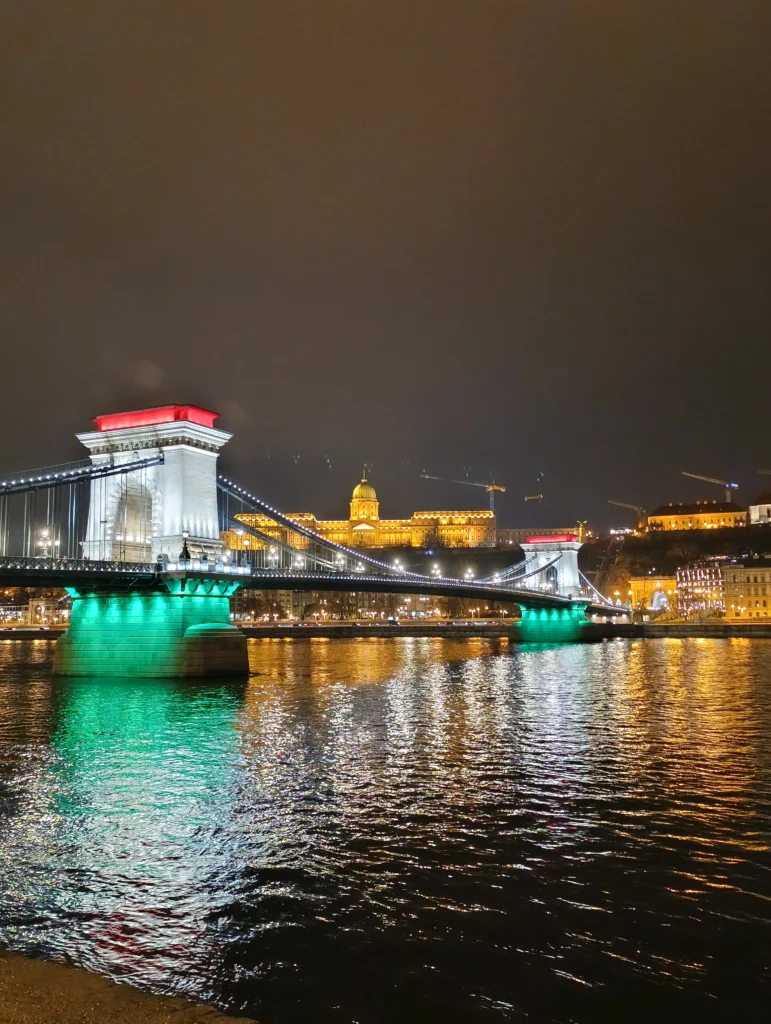
Széchenyi Chain Bridge

How to Get From the Airport to the Center?

Option Details
🚎 Bus 200E + M3 Metro
Cheapest public option (around 1 hour). From the airport to Kőbánya-Kispest station, and then transferred to Metro Line M3, which goes directly into the city.

🚌 Bus 100E
A direct line (40 – 50mins) between the city center and the airport. The ticket for line 100E is not valid for other lines in Budapest.
🚕 Bolt App
Works like Uber. Good for early mornings, late nights, or heavy luggage.
🎫 Transport Pass
Buy via BudapestGO app. We bought a 15-day pass: 5,950 HUF (~€15). Valid on all buses, metros, trams and night transport.
🛂 Don’t forget
Always carry your ID used for registration – ticket checks are common.

✅ Tip: The metro doesn’t run at night, but night buses and trams do.

👉 Check the official Budapest ticket prices here

Where to Stay in Budapest?

We stayed near Corvin Negyed, in the Ferencváros district. This area isn’t touristy, but it’s safe, well-connected, and more affordable than the central zones. You’ll still be close to trams, metro stations, and local restaurants.

📍 Check the apartment we booked here

🌤️ When Is the Best Time to Visit Budapest?

Budapest has cold winters with snow and strong winds, especially from November to February. It’s not the best time for walking around unless you’re used to freezing temperatures.

We visited in mid to late March (16–24). Daytime temperatures were between 8°C and 16°C. It was mostly dry, though some days were cloudy and windy — especially near the river.

If you’re planning to explore on foot, pack layers, a windbreaker, and comfortable shoes.

For better weather and longer daylight, the best time to visit is between May and October, when temperatures are milder and most outdoor spots are easier to enjoy.

Budapest_Hungary
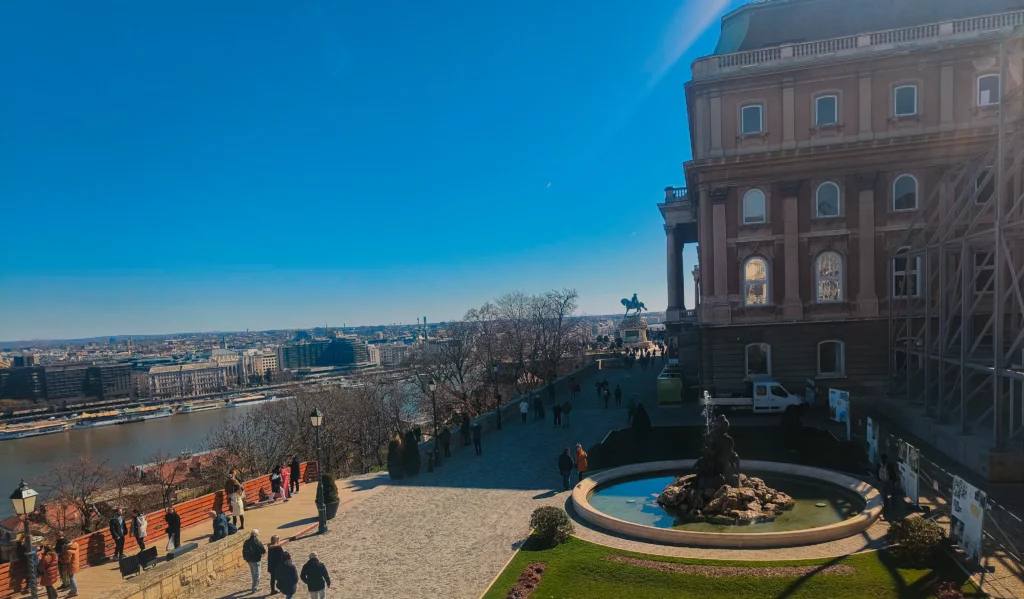
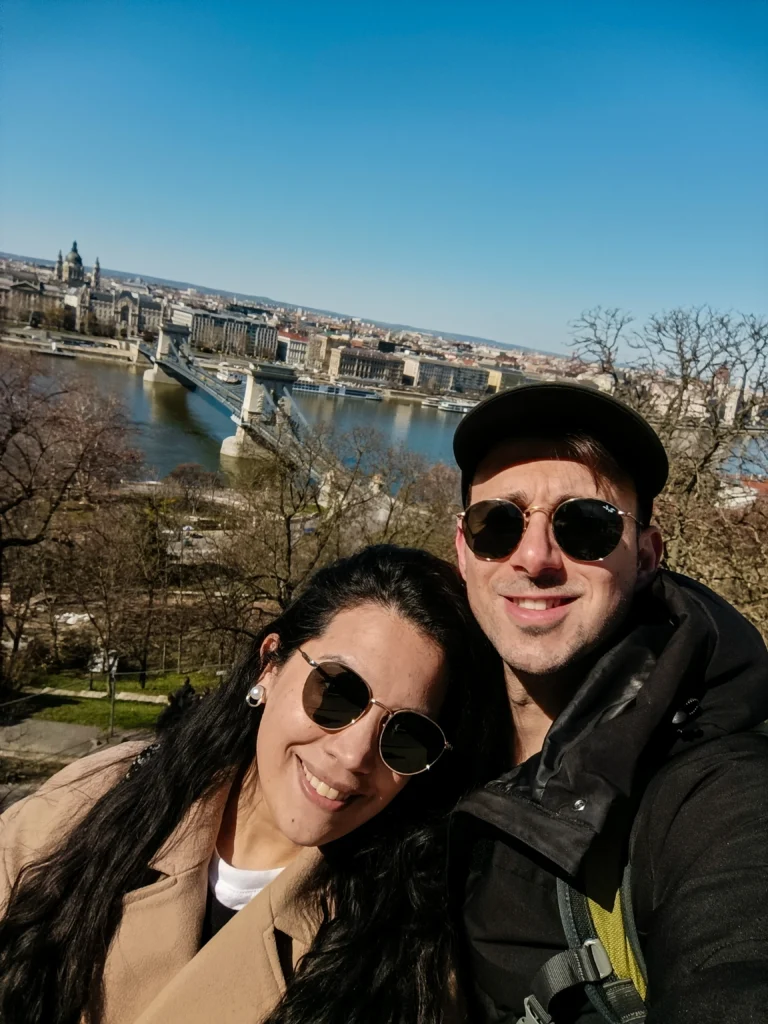
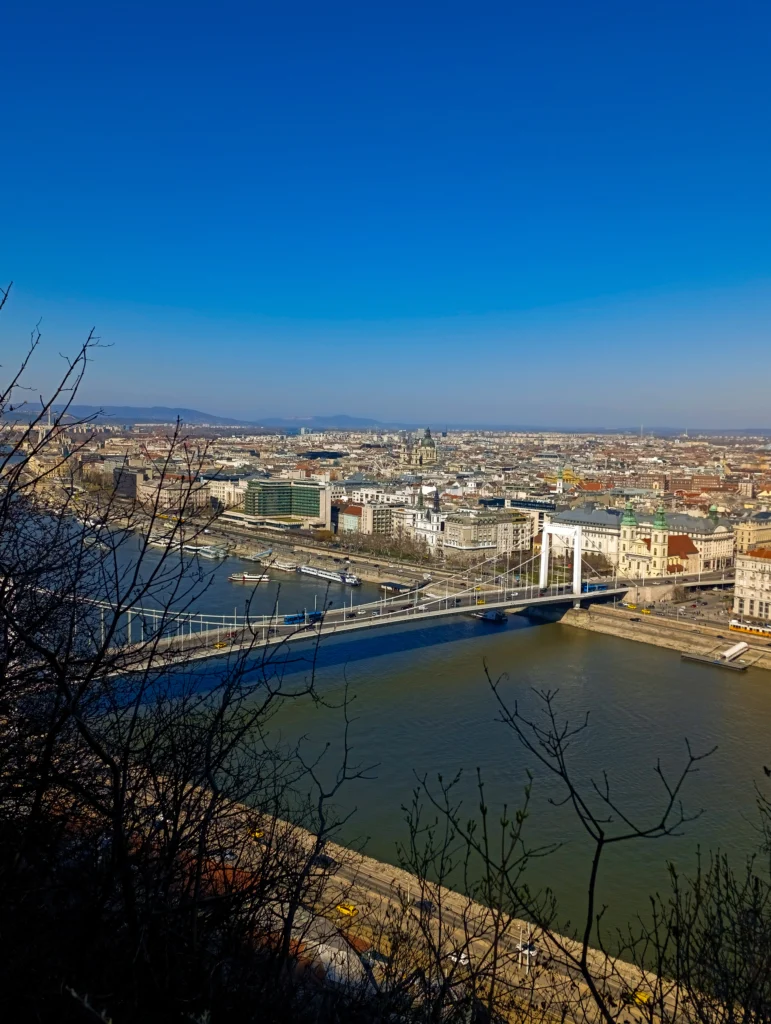
View to Pest from Buda

What You Can Visit in Budapest (Even If You’re Working)

We explored the city mostly in the afternoons and early evenings. Here’s what we managed to see — and what you should add to your itinerary.

Parliament Building

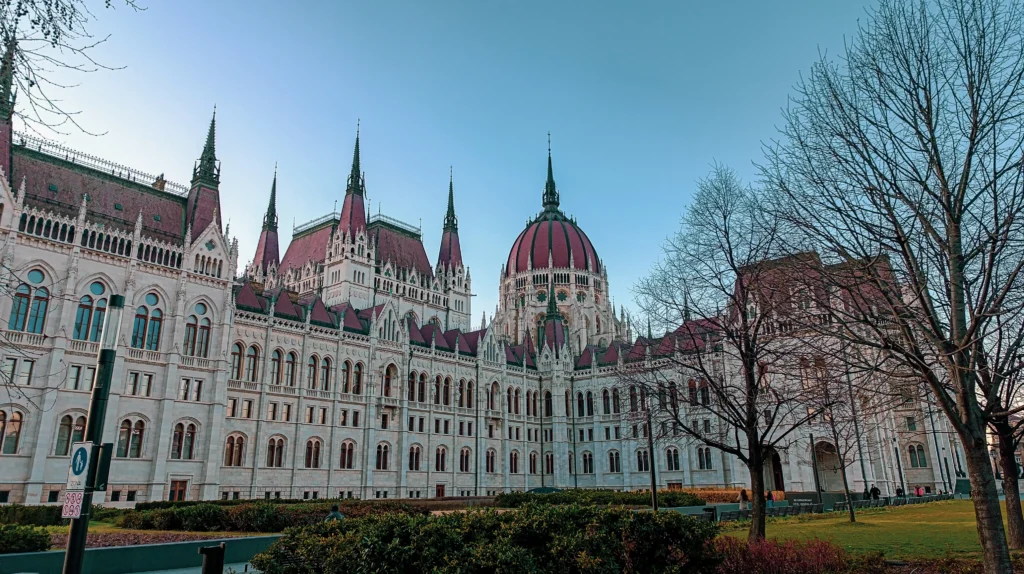
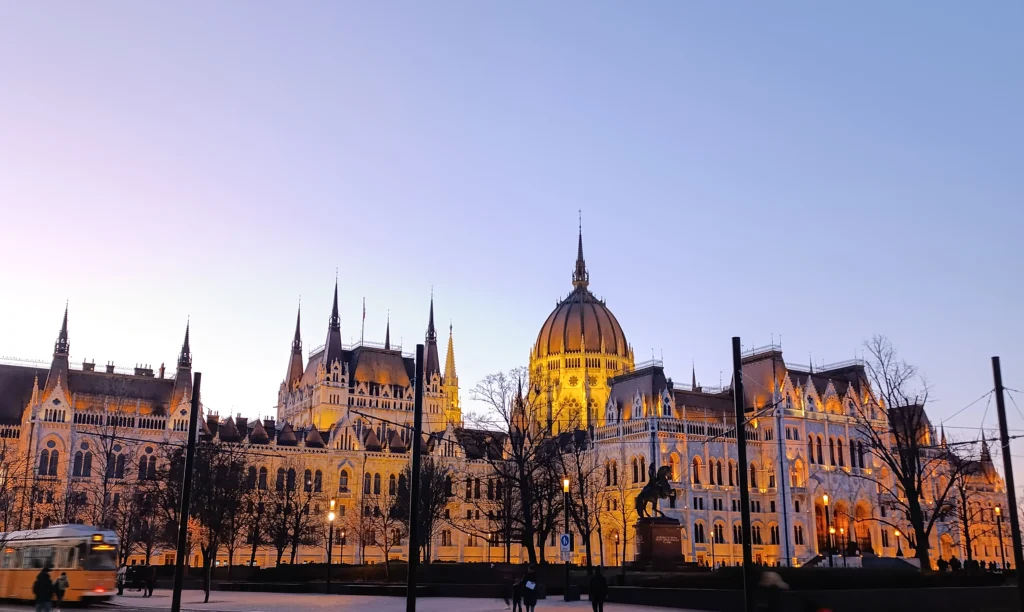
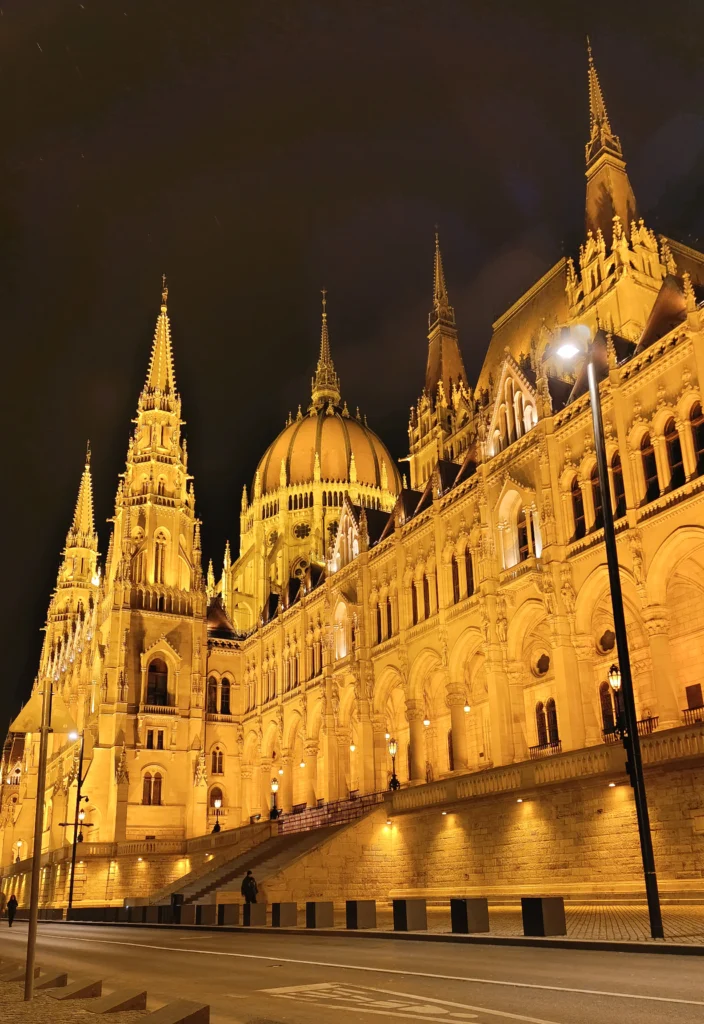
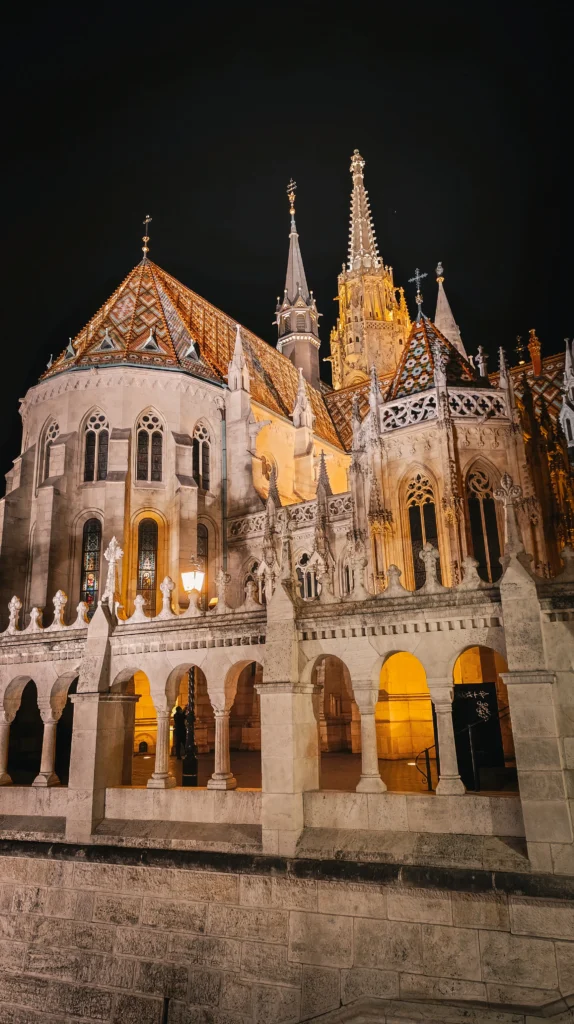
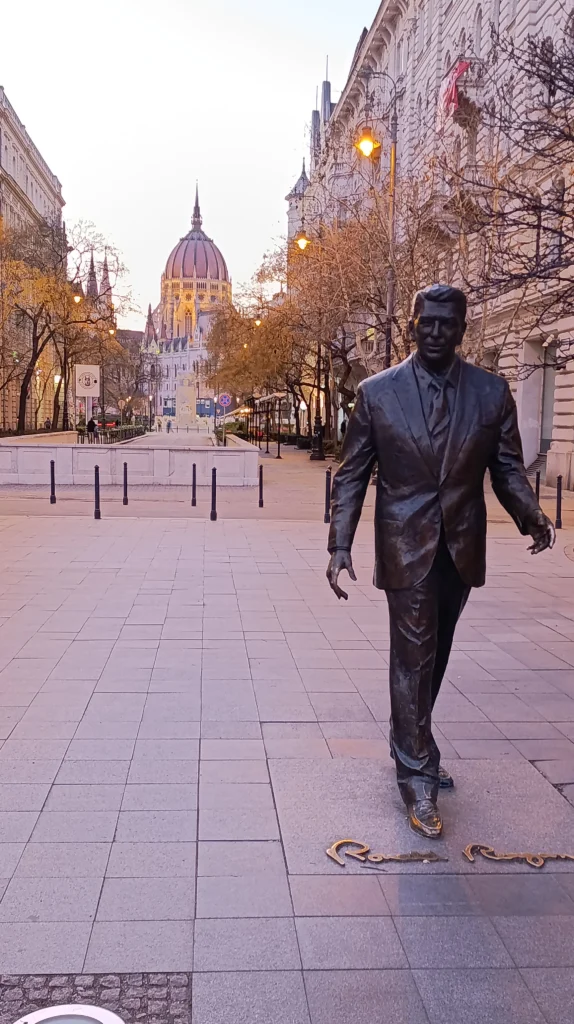
The Hungarian Parliament is one of the most striking buildings in Europe. You can admire it from both sides of the river, but the best views are from the Buda side, especially at sunset or at night when the building lights up.

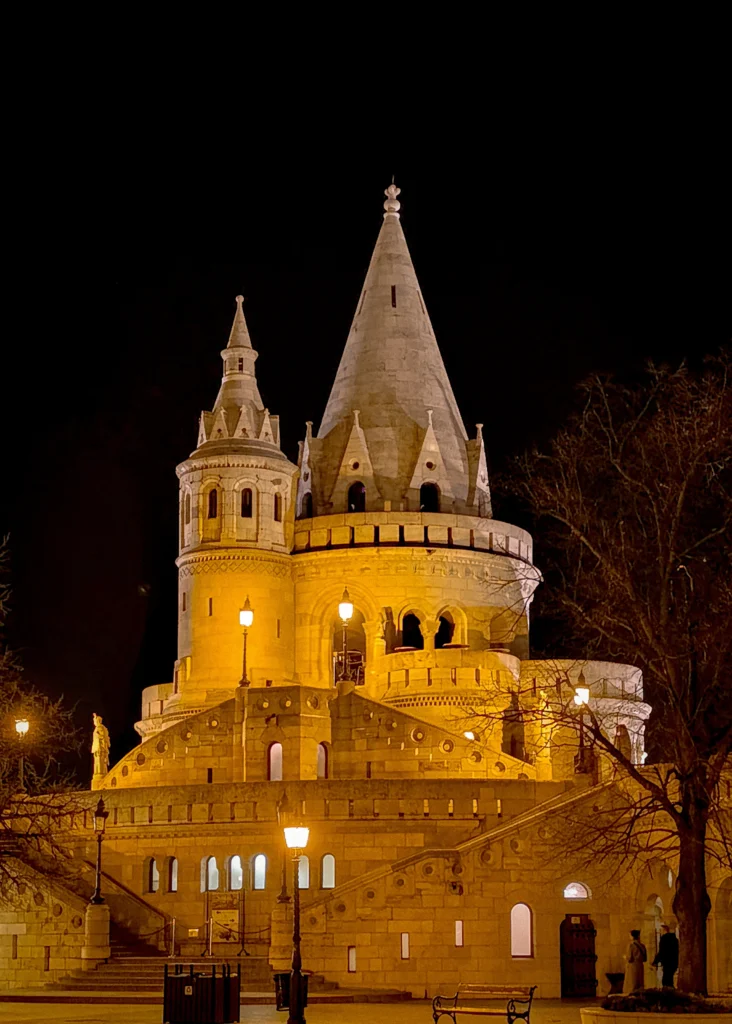
Fisherman’s Bastion

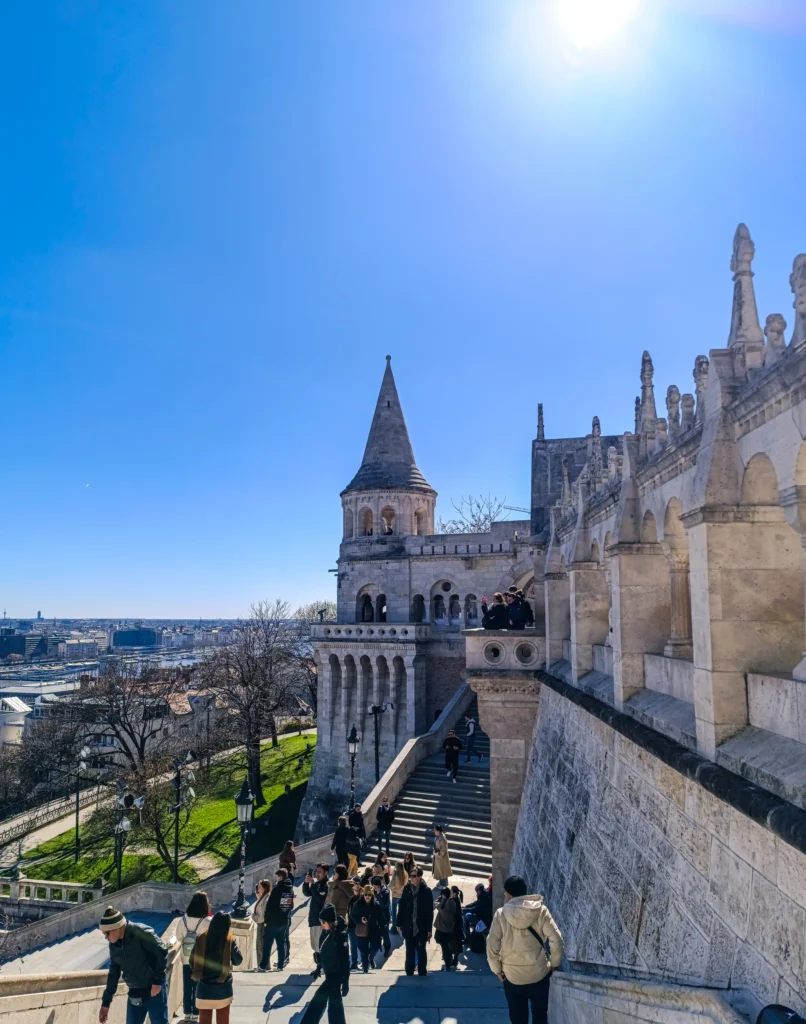
This lookout terrace is located in the Castle District. You’ll get a full view of the Pest side of the city. The white stone towers and arches are great for photos, and the atmosphere is calm, even with other tourists around.

It’s worth visiting early in the morning or around sunset, when the light is softer and the area is less crowded.

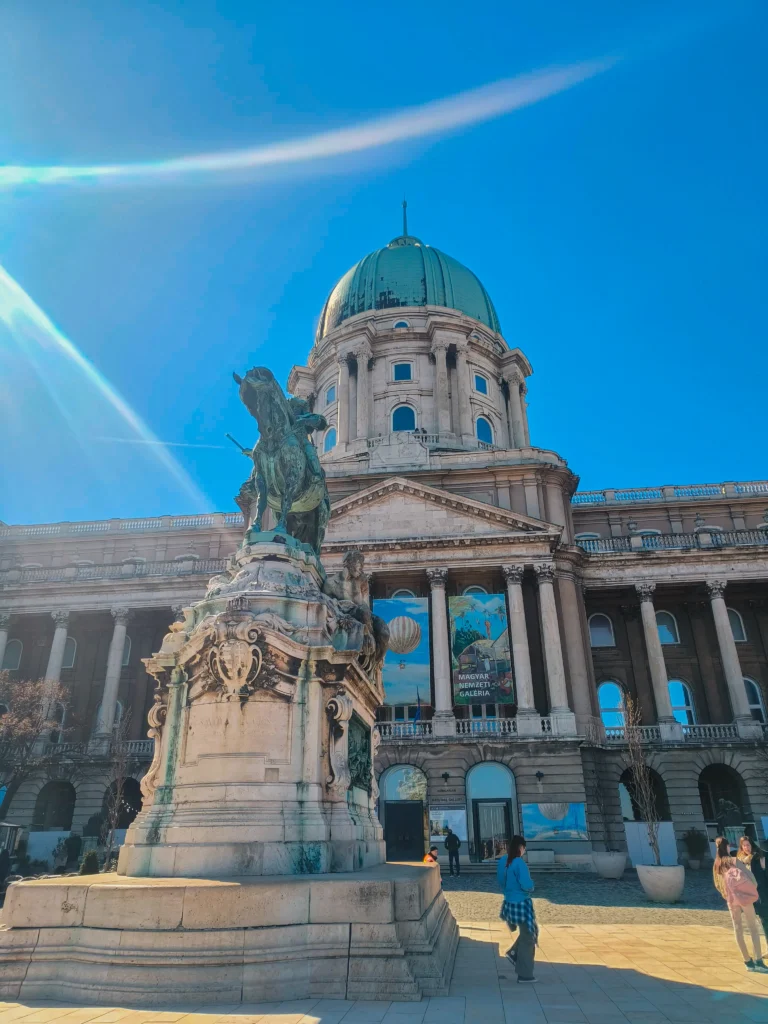
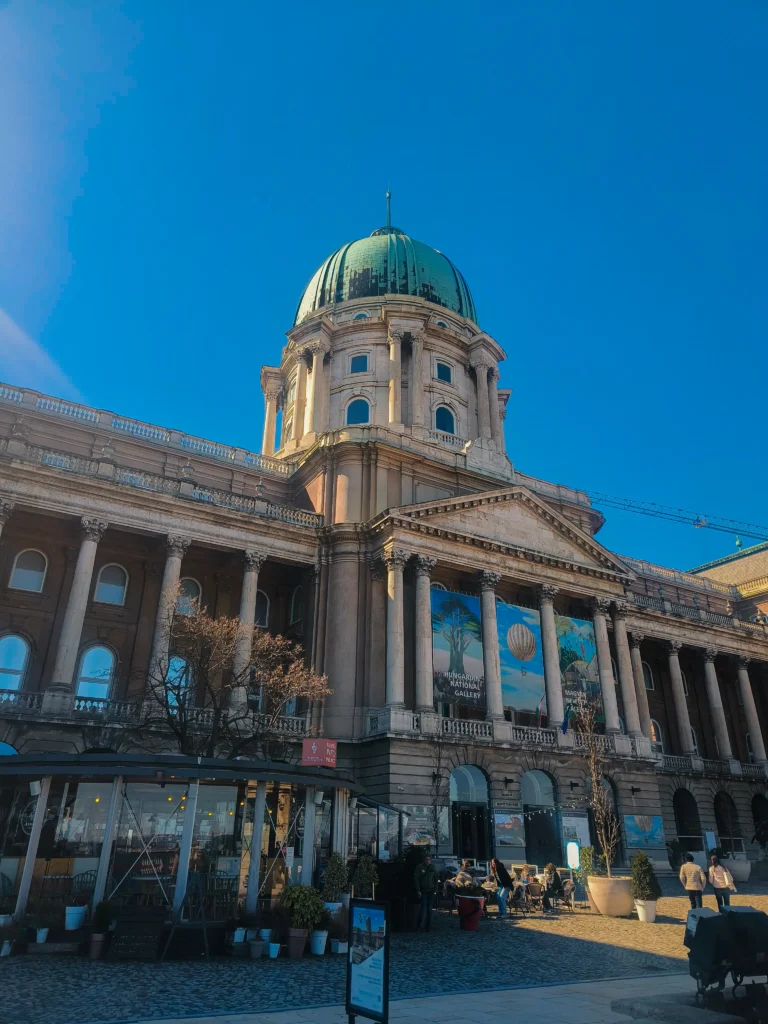
Buda Castle

Just a short walk from Fisherman’s Bastion, Buda Castle is open to the public and free to explore from the outside. You can walk through its courtyards and enjoy panoramic views of the Danube.

You can reach the castle on foot or take the funicular, which runs from 8:00 to 22:00. A round-trip ticket costs 3000 HUF (~7.4€).

The complex also houses the Budapest History Museum and the Hungarian National Gallery, both of which require a ticket to enter.

St. Stephen’s Basilica

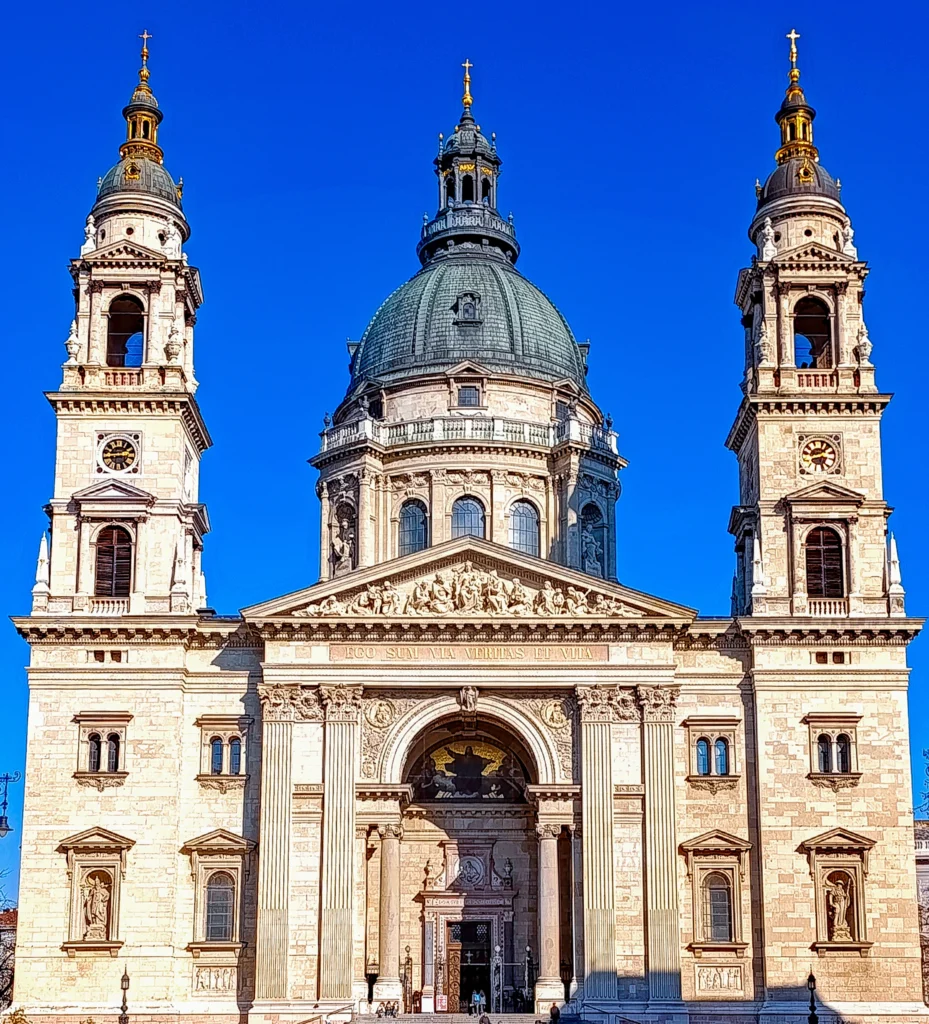
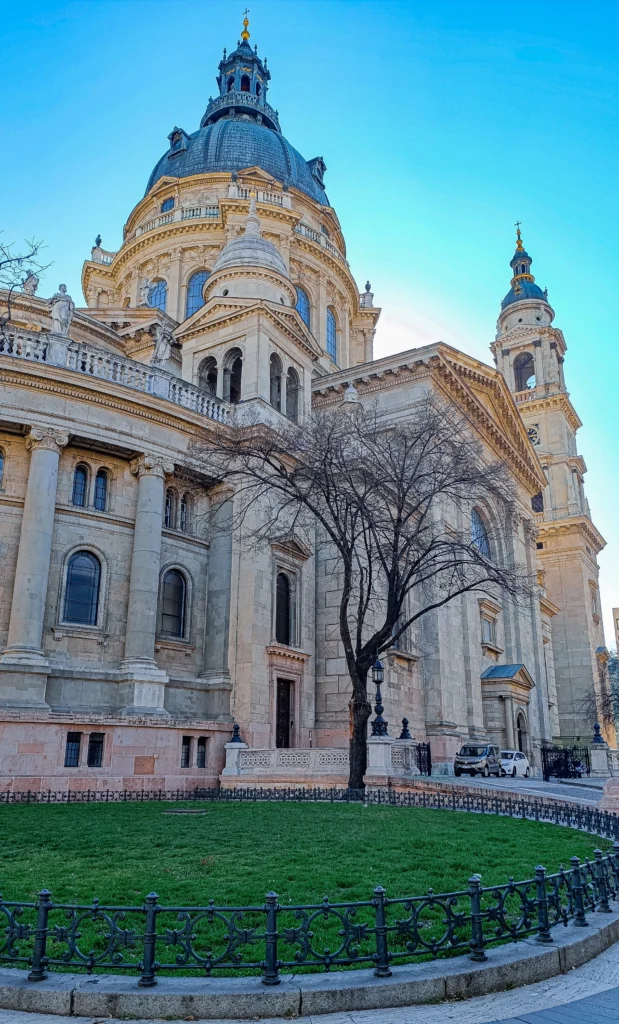
St. Stephen’s Basilica is the largest church in Budapest and one of its most recognizable landmarks. You can visit the interior, admire its detailed artwork, or climb the dome for a panoramic city view.

📝 Ticket info:

  • Church only: 1200 HUF (~2.98€)
  • Dome: 2200 HUF (~5.46€)
  • Full access: 3200 HUF (~7.94€)

    Tickets can be bought online. Check latest info here

Shoes on the Danube Bank

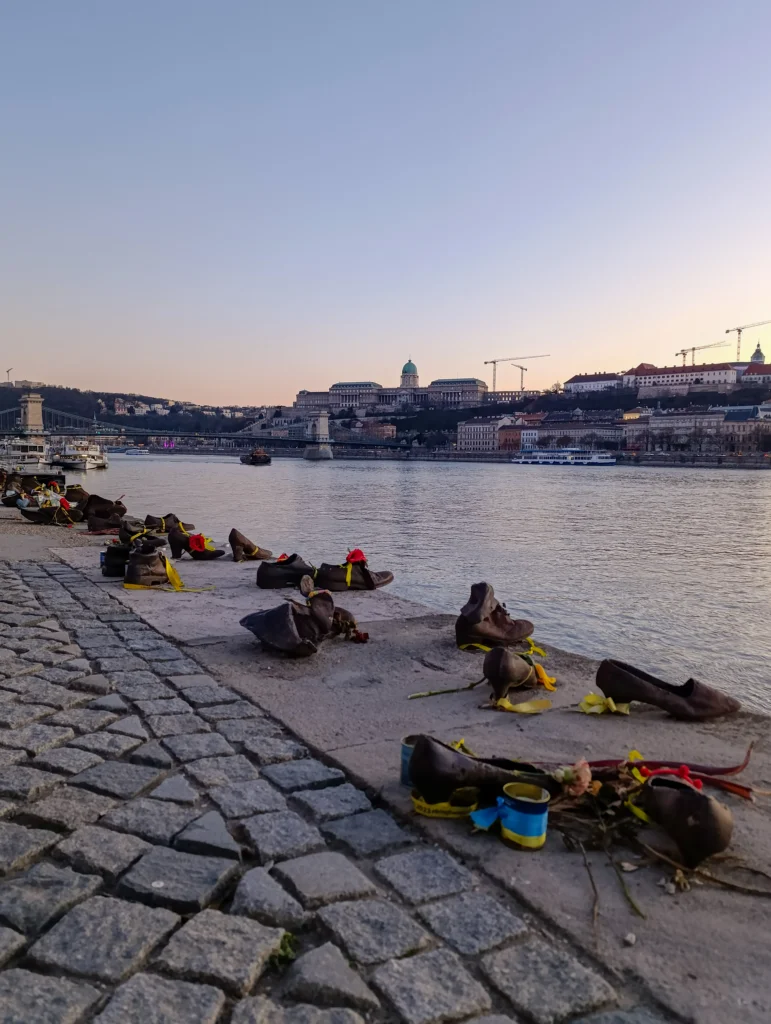
This memorial is simple but powerful. It remembers the people — mostly Hungarian Jews — who were shot into the Danube during World War II. Before being killed, they were forced to take off their shoes.

The bronze shoes left on the riverbank tell that story without any words. You’ll find it just south of the Parliament building.

Shoes on the Danube Bank_Budapest

Central Market Hall

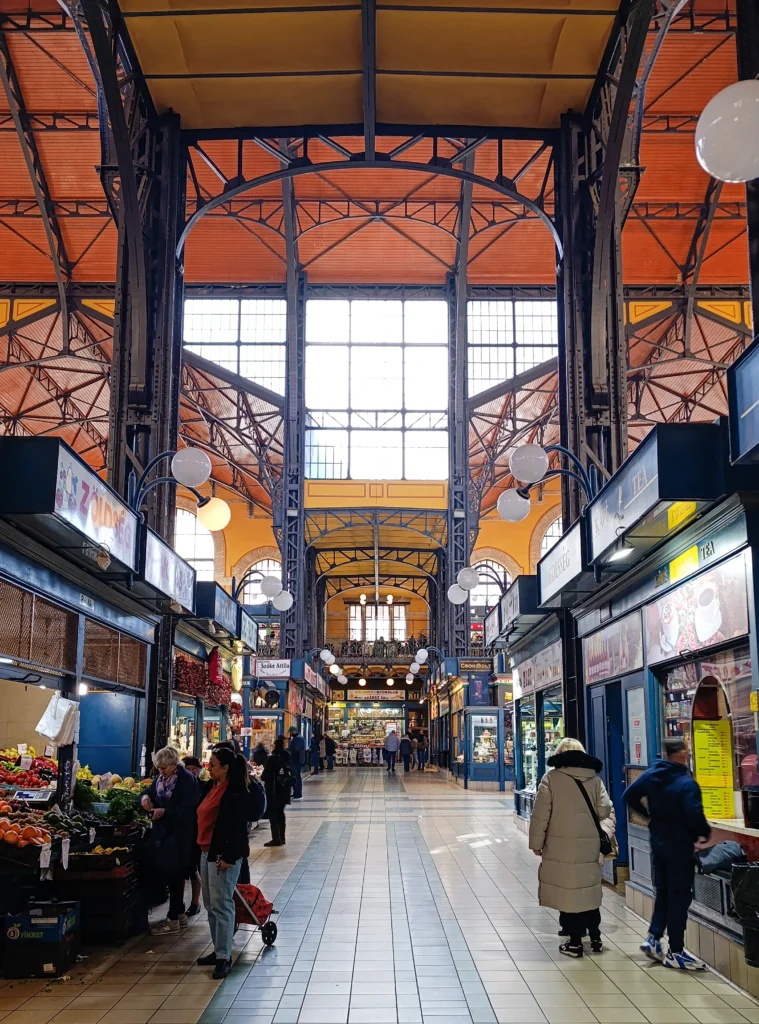
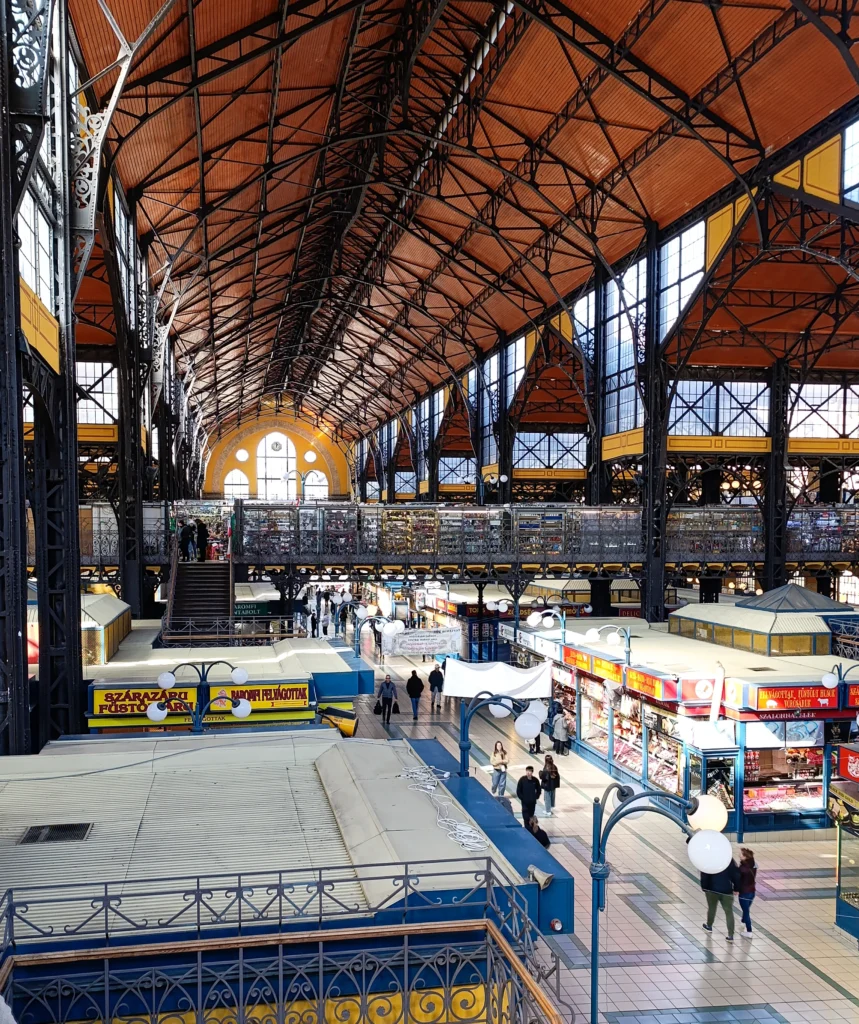
This indoor market has two floors. On the ground floor, you’ll find fruits, vegetables, spices, and local products. Upstairs, small food stalls are serving traditional Hungarian dishes. It’s one of the best places to see local life and grab an affordable lunch.

Vajdahunyad Castle & Heroes’ Square

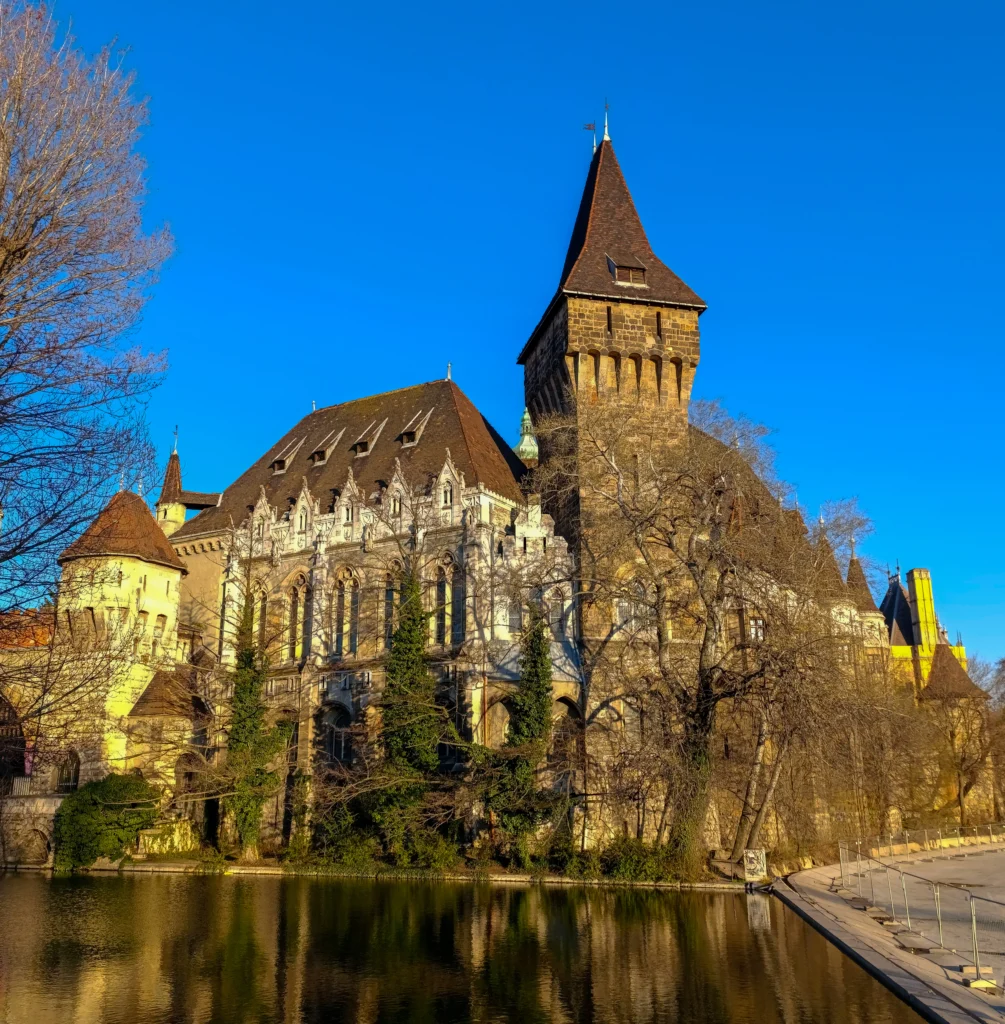
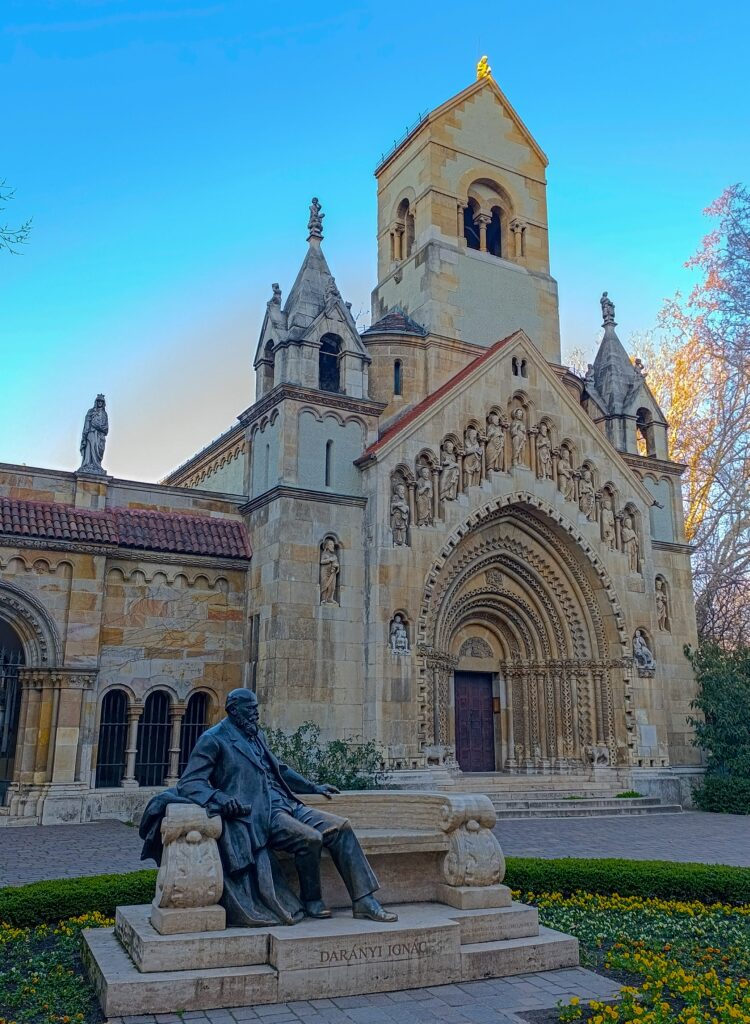
Located inside City Park, Vajdahunyad Castle was built in 1896 and brings together several architectural styles. It sits next to a small lake and feels like a peaceful spot to take a break from the city.

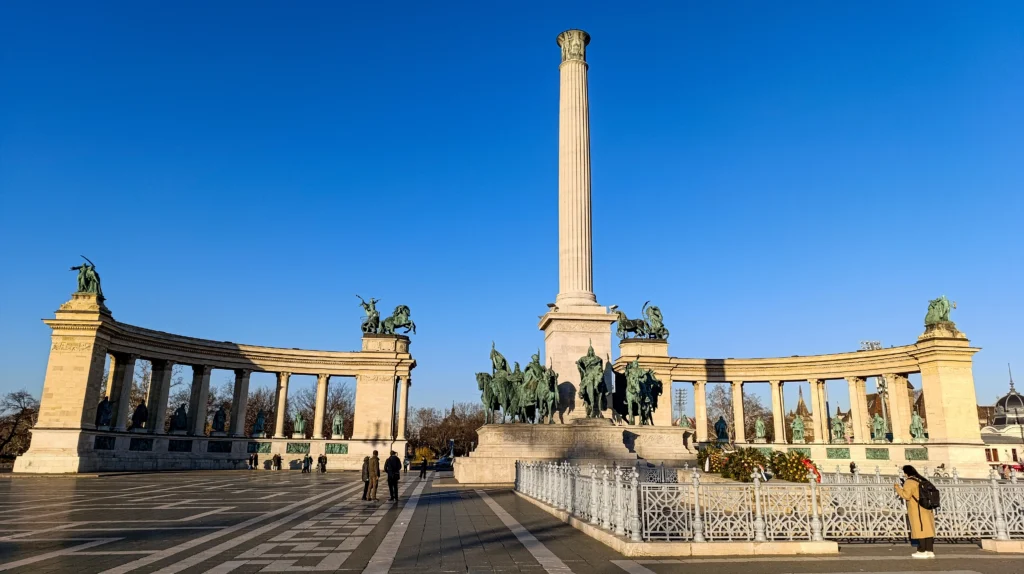
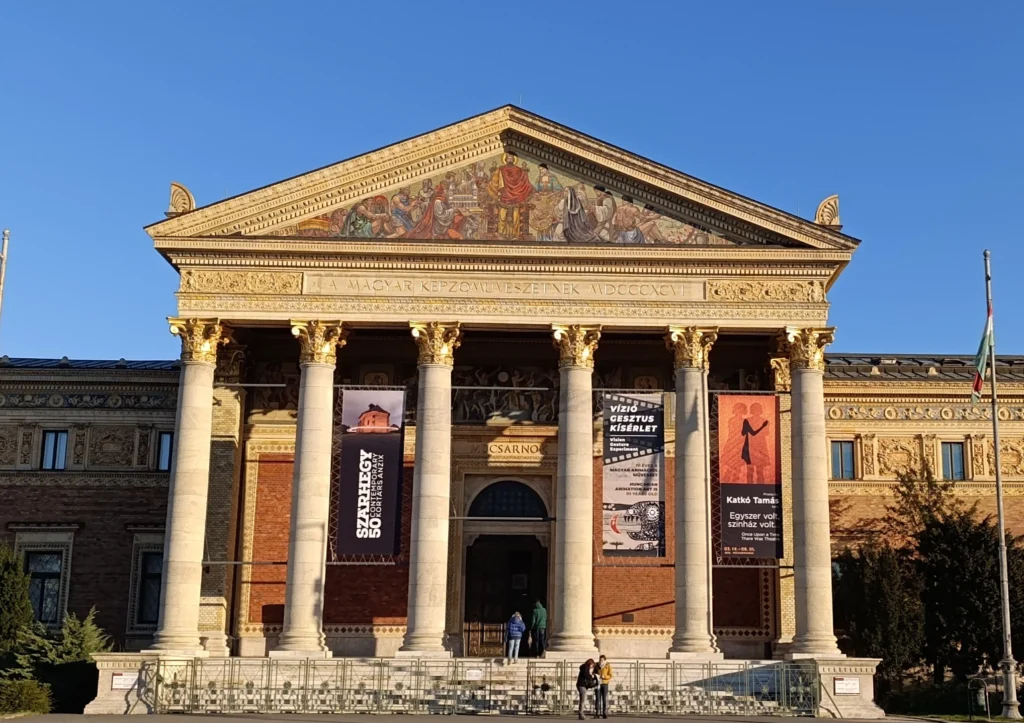
Just a short walk away is Heroes’ Square, one of Budapest’s most important landmarks. It features statues of Hungary’s national leaders and is part of the UNESCO-listed Andrássy Avenue area. The square also marks the main entrance to the park.

Gellért Hill & Citadella

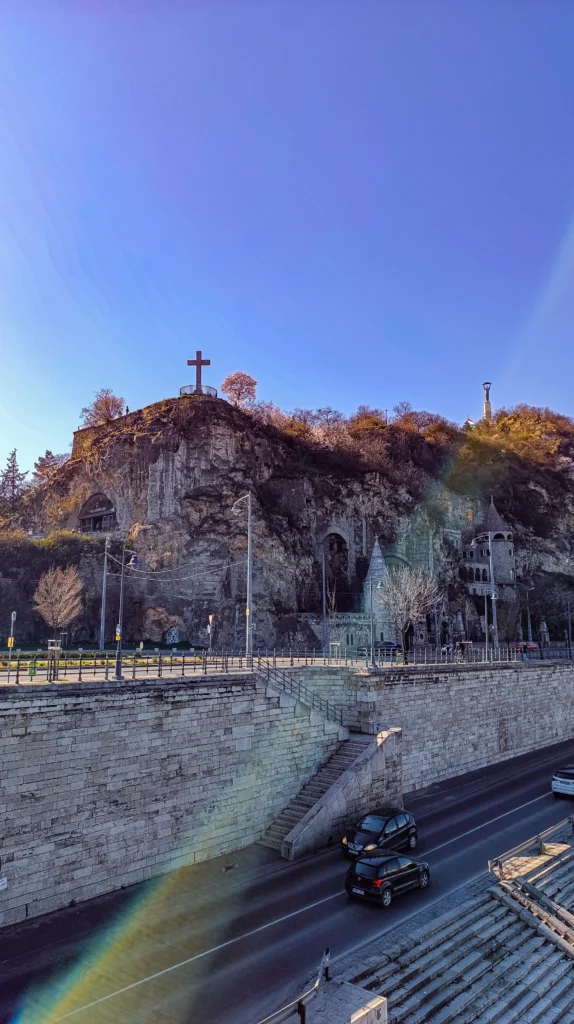
We hiked through the Gellért Park to the Citadella area, which is currently under renovation. Still, the views from the walking paths are some of the best in Budapest. You’ll pass the Statue of St. Gerard, too.

Gellért Hill_and_Citadella_Budapest

A Few Churches That Caught Our Eye in Budapest

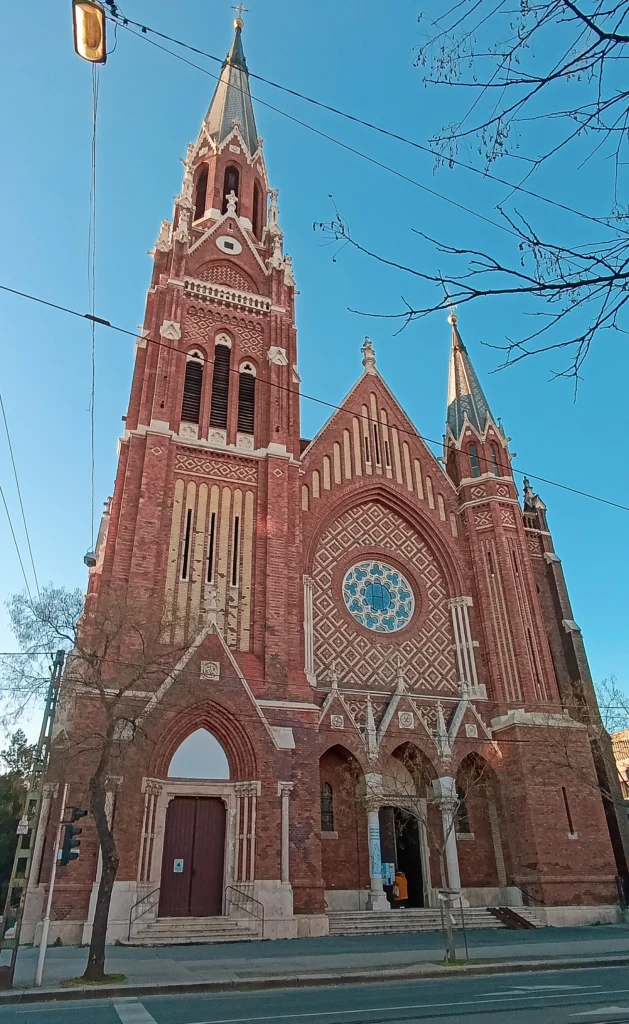
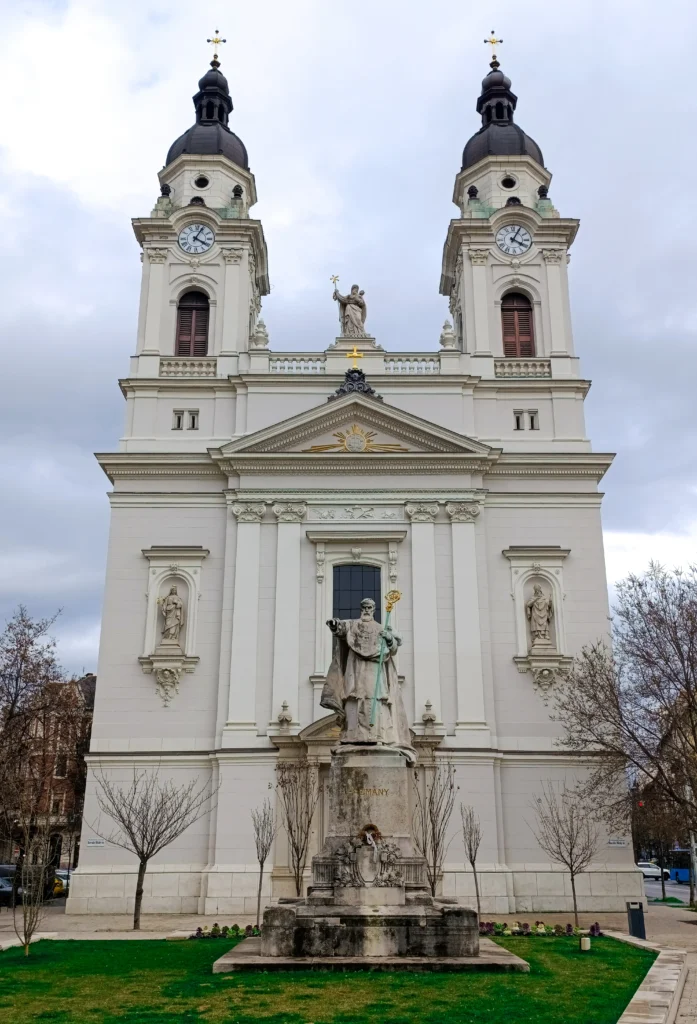
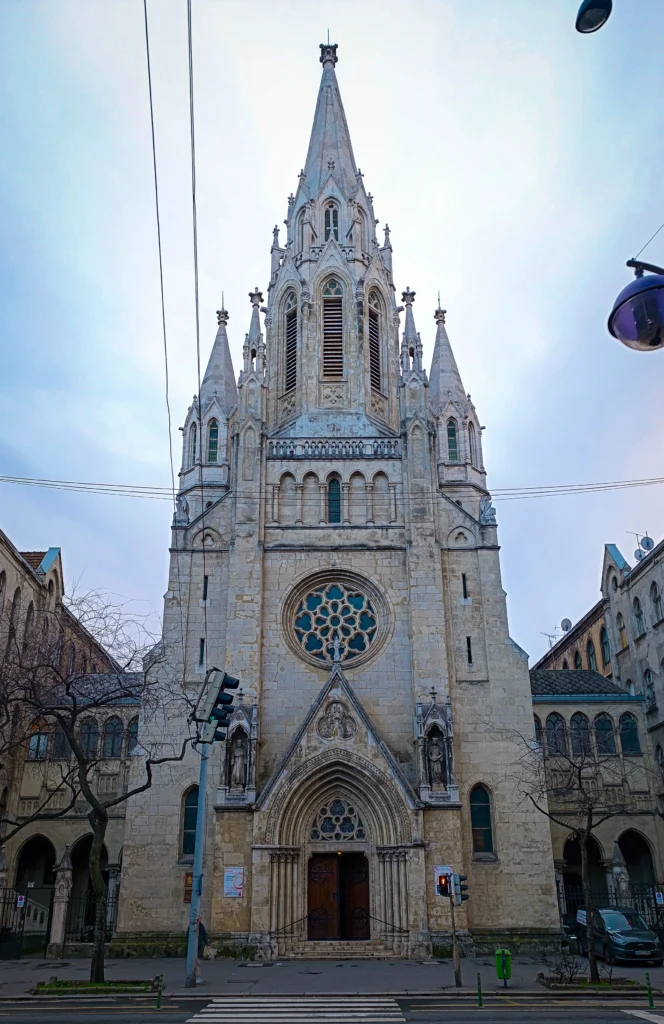
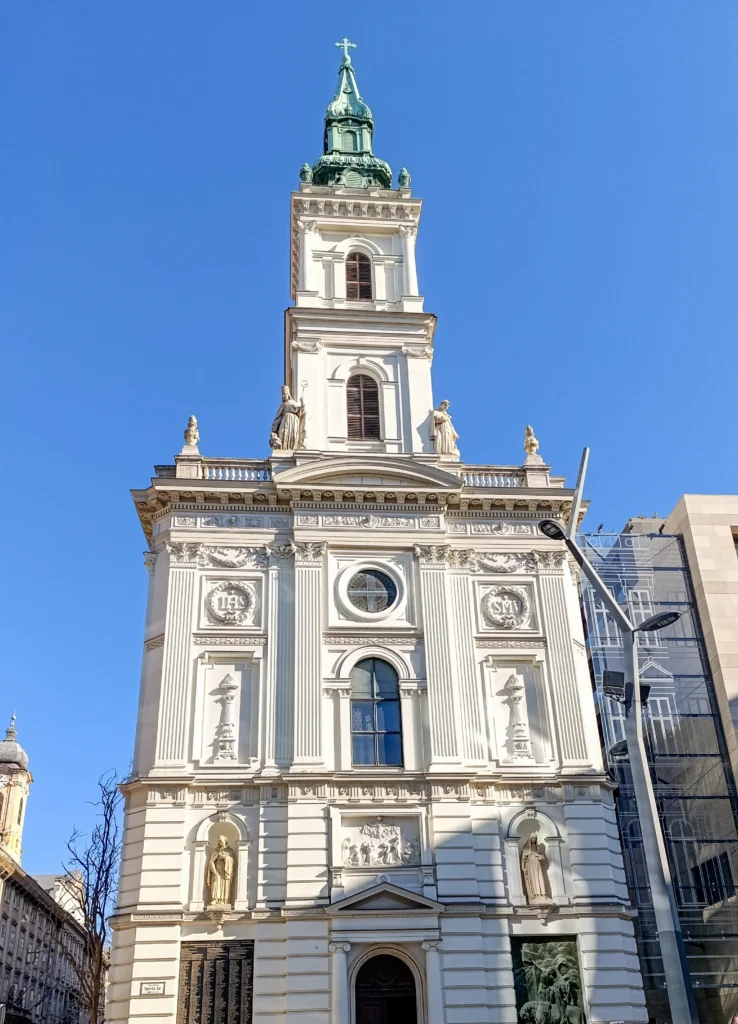
Budapest is full of beautiful churches — some well-known, others more local but still worth a visit. We stepped inside St. Anne Church, one of the most peaceful and visually impressive ones we saw.

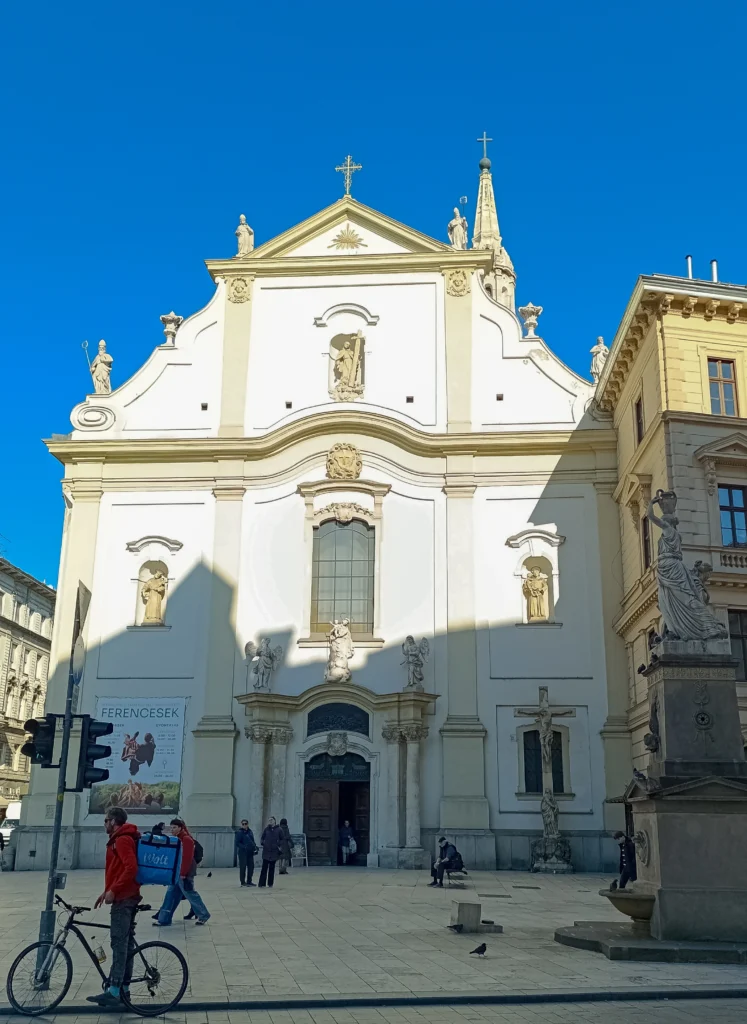
The Inner-City Church of the Franciscans was closed during our visit, but its location by the river and the baroque façade make it a nice stop if you’re nearby.

We also passed by Budapesti Rózsafüzér Királynéja Templom and Szent József Templom, both less touristy but equally beautiful. If you enjoy church architecture or quiet spaces, take time to explore a few — many are free to enter and often overlooked by most visitors.

Walks & Neighborhoods

We also walked along the Danube promenade (both Buda and Pest sides), visited Elizabeth Square, Liberty Square, and explored the more local areas of Ferencváros and Corvin negyed, where we were staying.

Local Tip: Ride Tram 2 Along the Danube

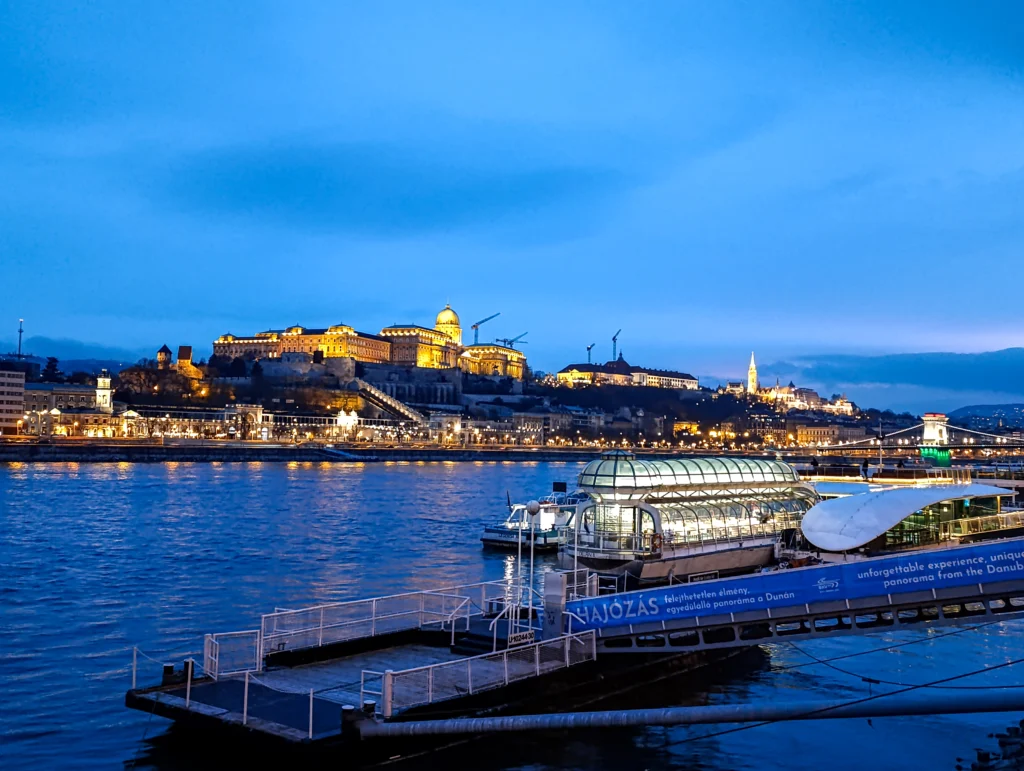
Take Tram #2 on the Pest side of the river. It runs along the Danube and gives you great views of Parliament, the bridges, Buda Castle, and Gellért Hill — all from the window. It’s part of the public transport system, so it’s included in your pass.

Buda_Budapest
Golden hour over Buda, seen from the Pest side of the Danube

Street Art in Budapest

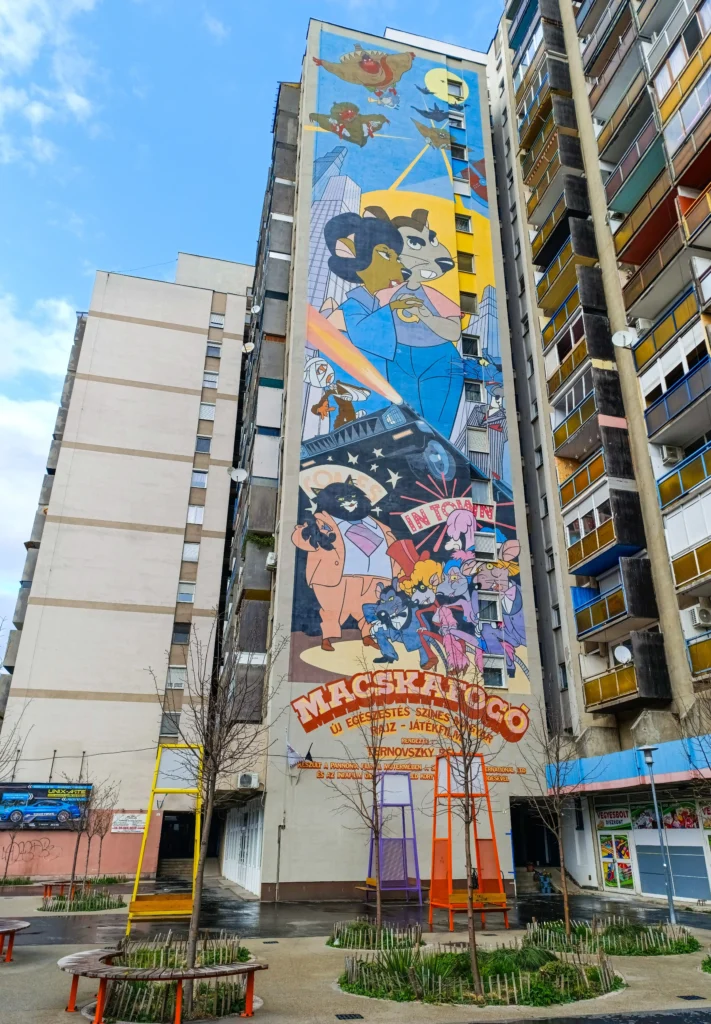
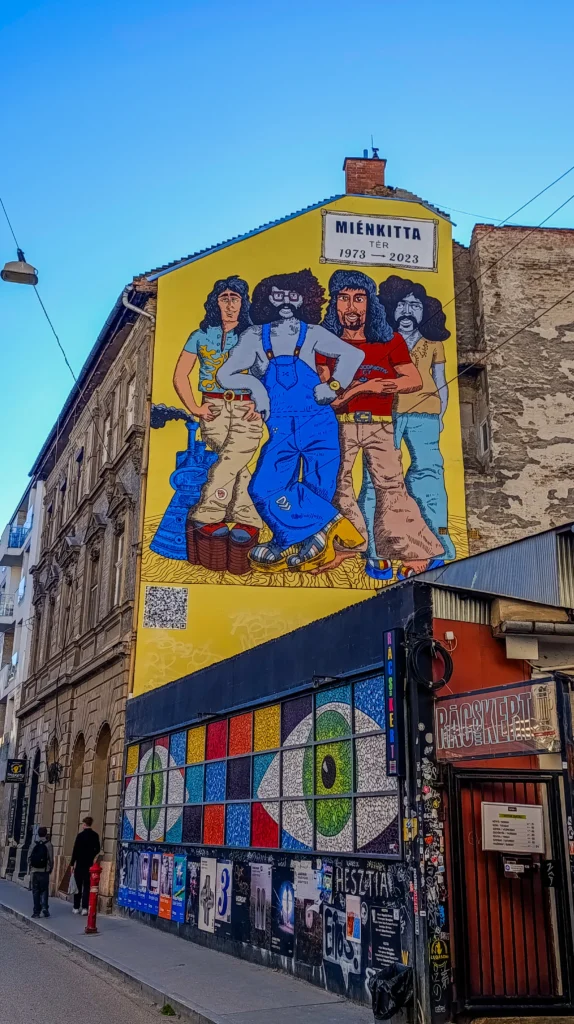
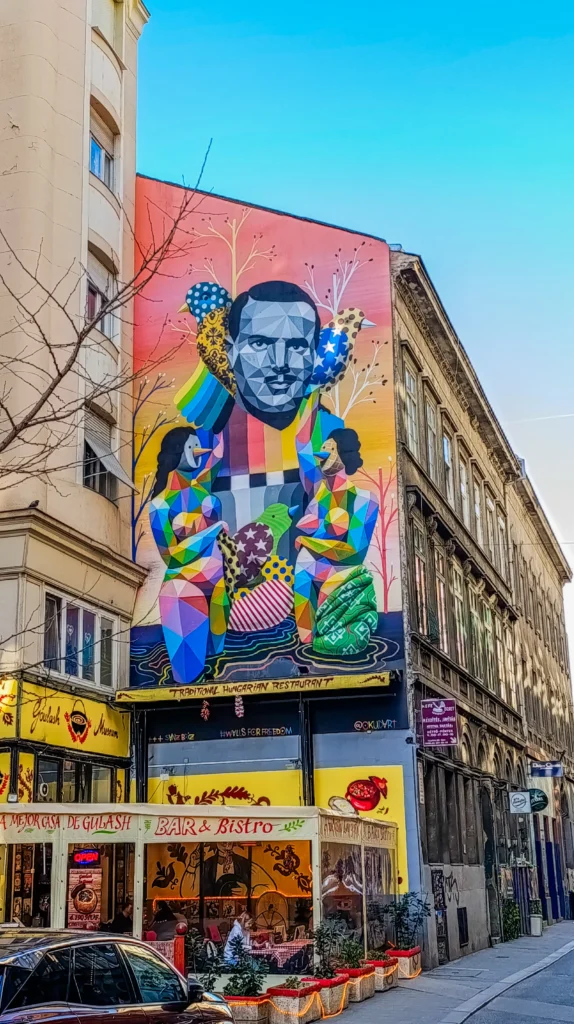
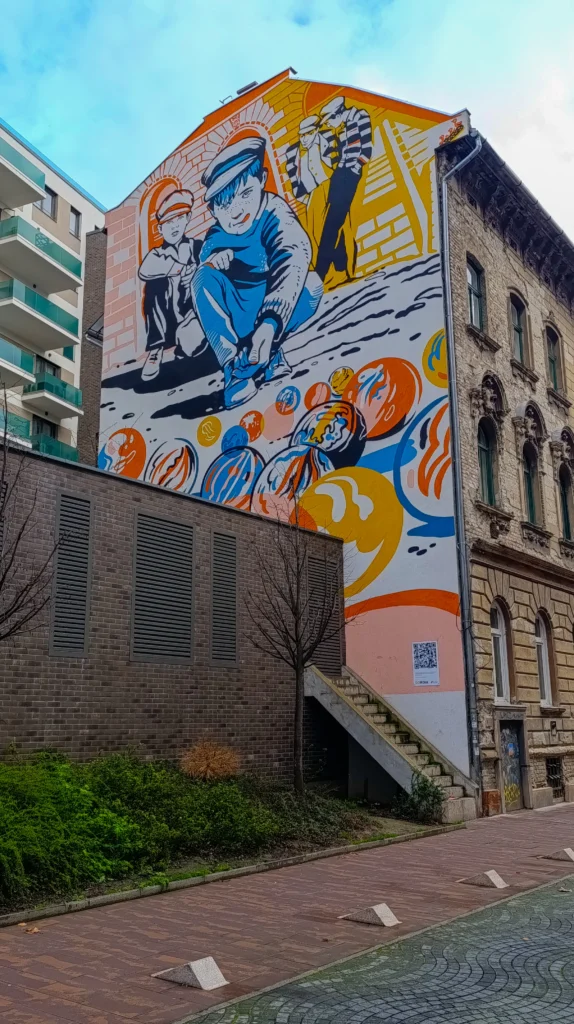
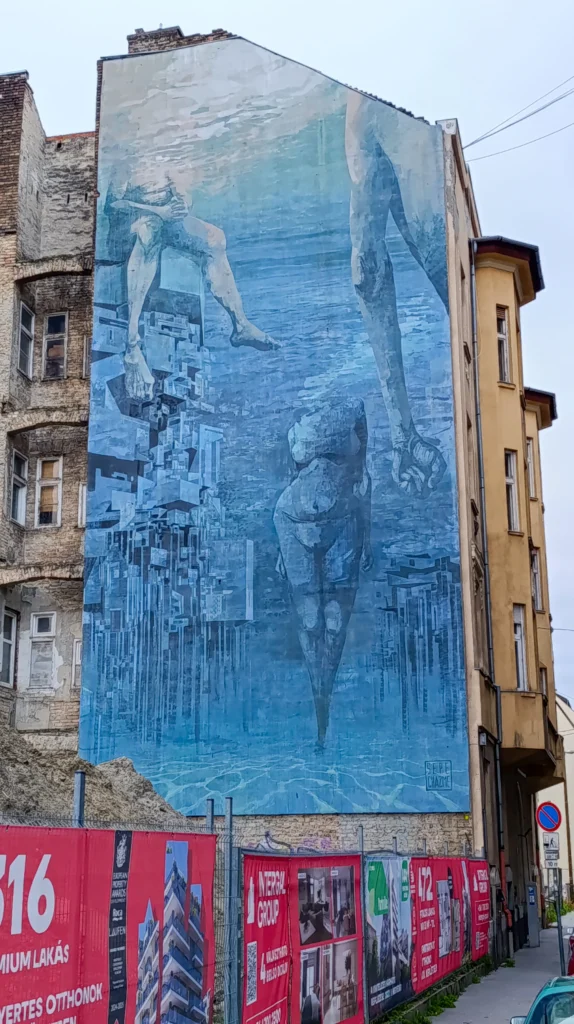
You’ll see a lot of graffiti and murals as you walk around — especially in District VII and near Kazinczy Street. Some are just tags, but others are large and well-done pieces. Budapest has a strong street art scene, and it gives the city a raw and creative feel.

What and Where to Eat in Budapest?

Try these traditional dishes while you’re in town:

  • Goulash – meat and vegetable soup with paprika
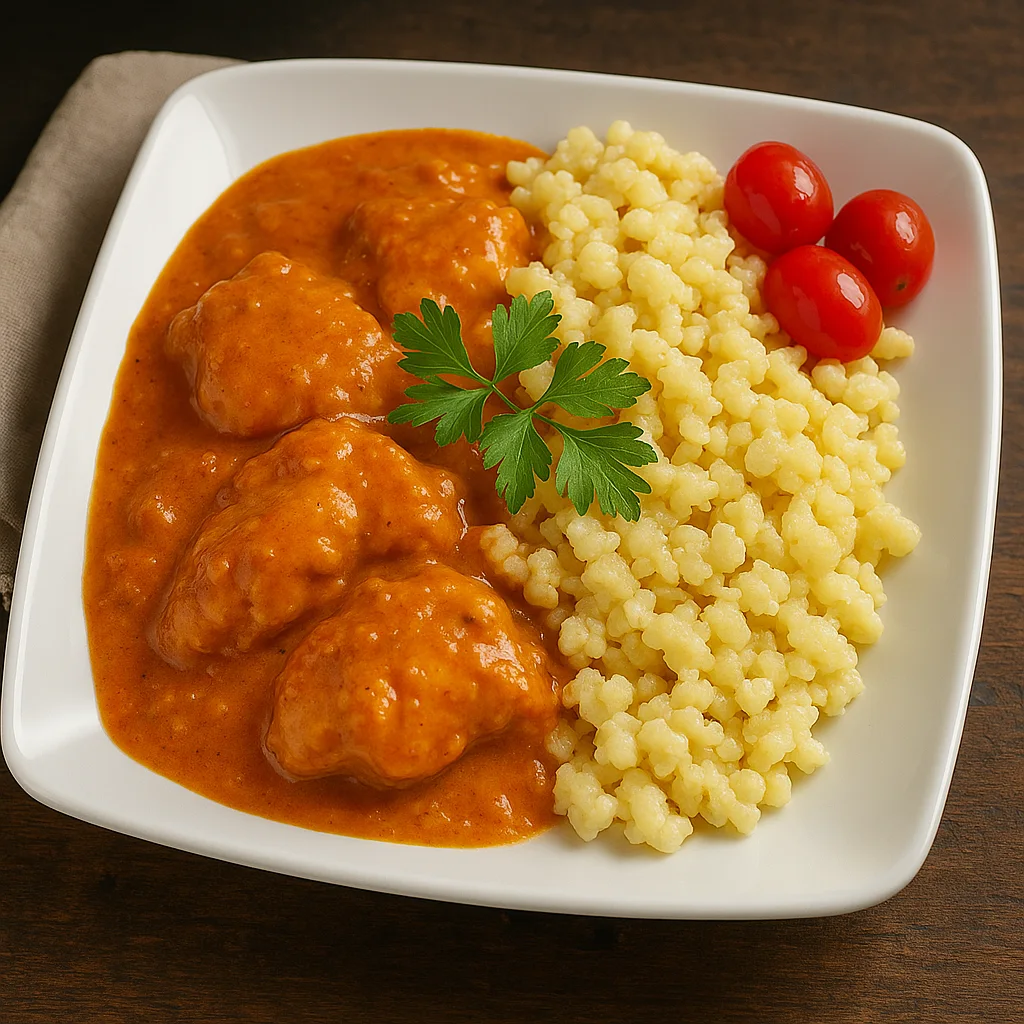
  • Chicken Paprikash – chicken in creamy paprika sauce
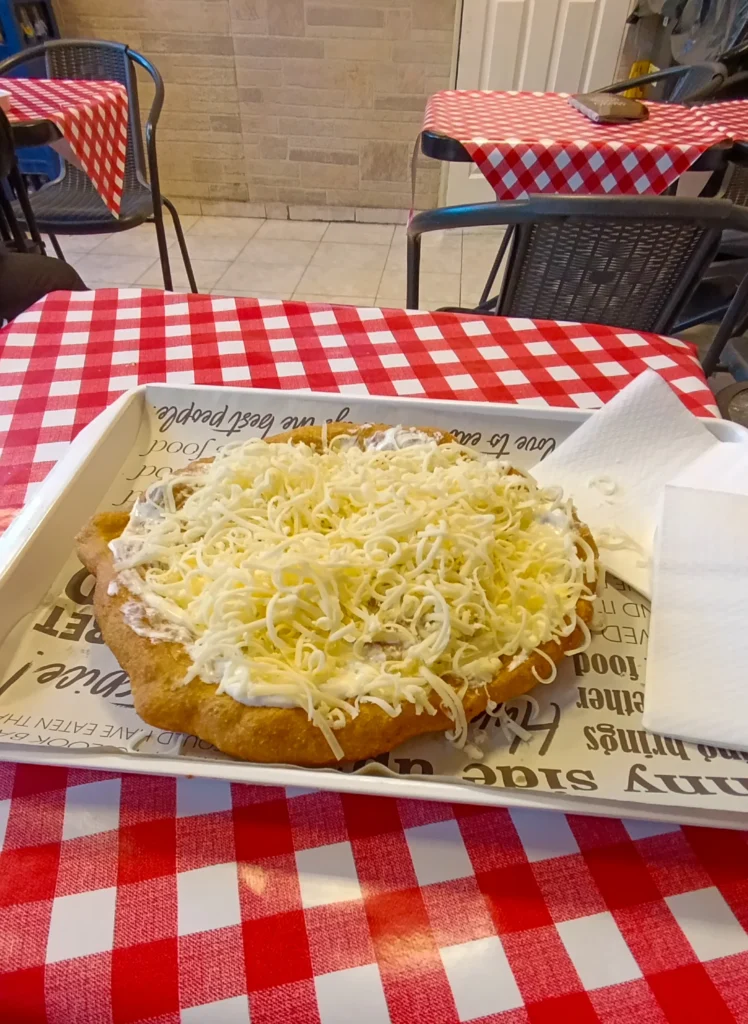
  • Lángos – fried dough topped with cheese, garlic, or sour cream
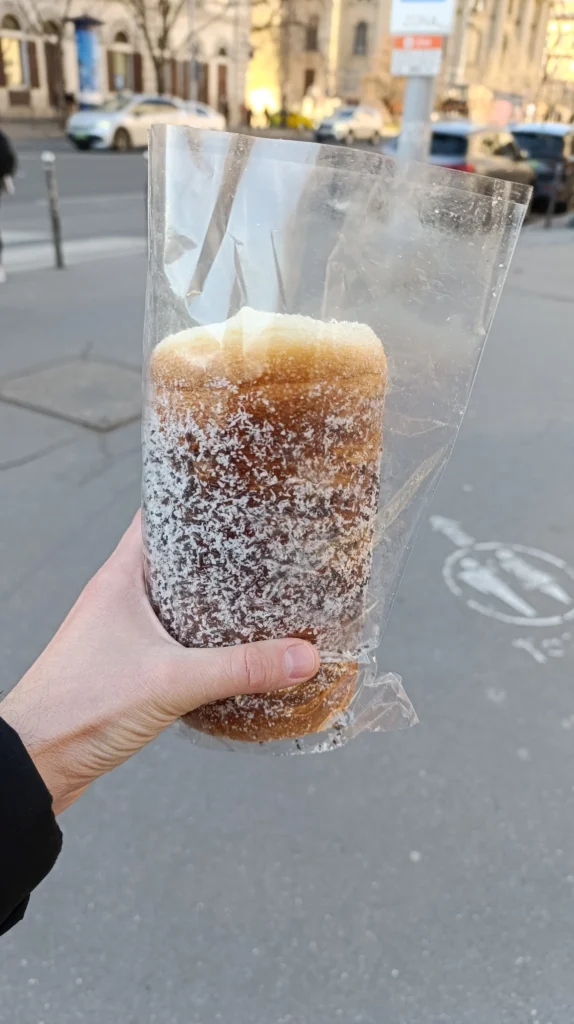
  • Chimney Cake (Kürtőskalács) – sweet pastry rolled in sugar and grilled

Budget-Friendly Food Spots

If you want something local and cheap, look out for these types of places:

  • Étkezde – small diners with simple, cooked meals
  • Menza – cafeteria-style places, often linked to workplaces or schools
  • Ételbár – small restaurants with slightly higher prices, still affordable

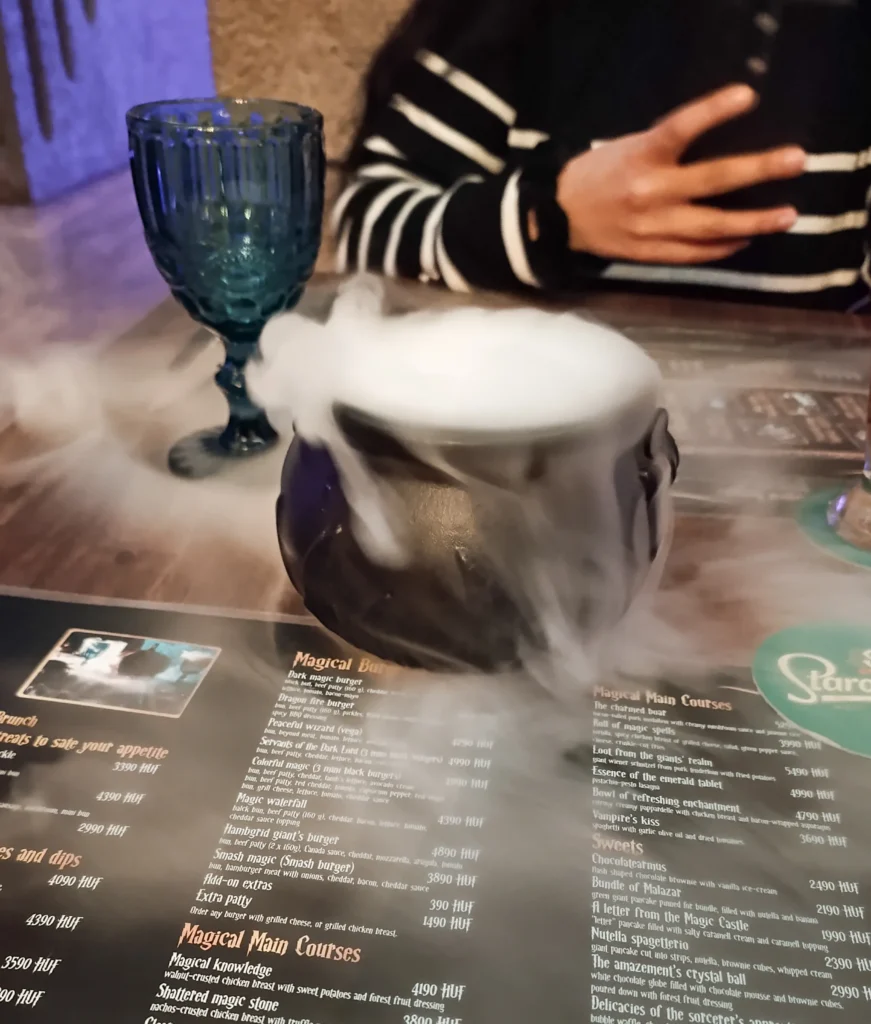
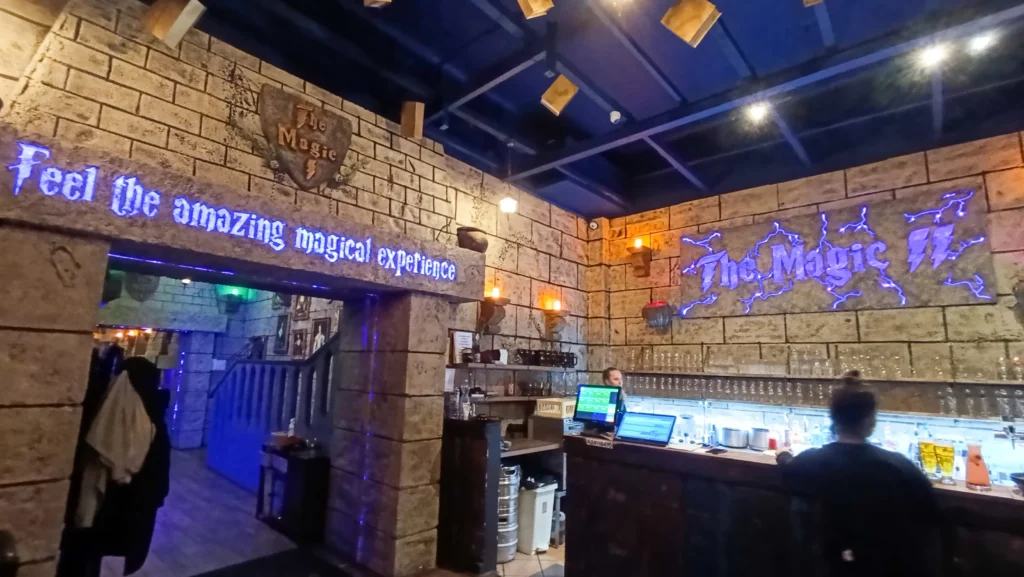
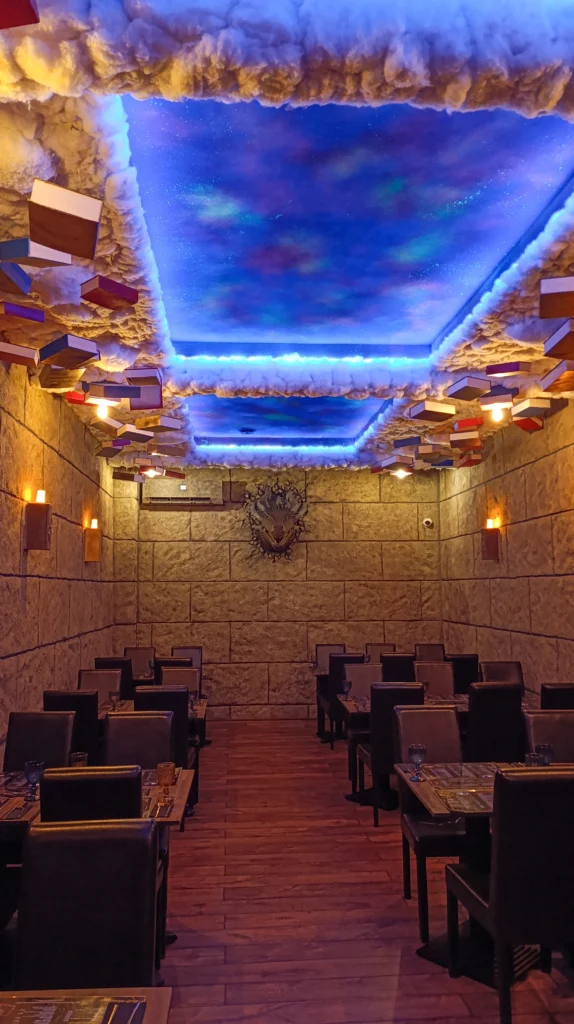
We also tried The Magic Budapest 2, a Harry Potter-themed restaurant. It’s fun if you’re a big fan of the books, but for food alone, it’s not something we’d recommend.

Nightlife and Socializing

Budapest is full of students, travelers, and digital nomads. It’s easy to find social events or meet people in bars.

We went to a Bla Bla event — an informal meetup with board games, live music, and people from all over the world. These kinds of events happen regularly and are a great way to make friends.

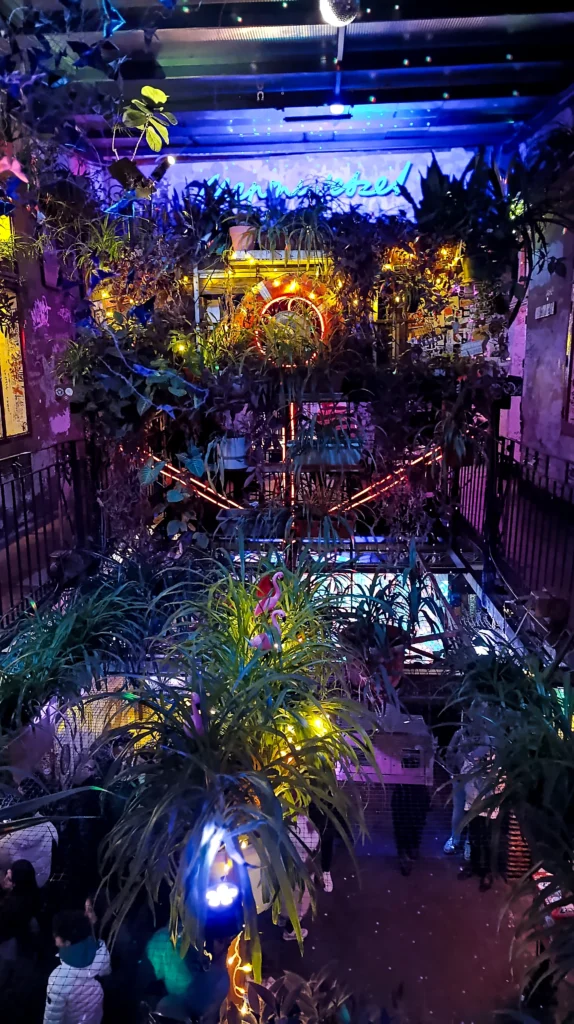
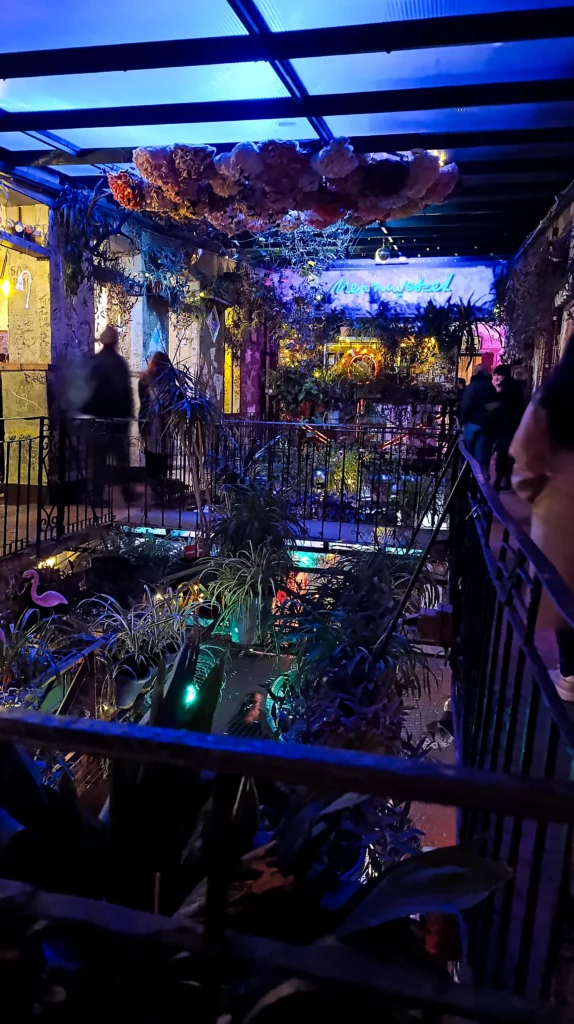
Ruin Bars – Szimpla Kert

We visited Szimpla Kert, one of the original ruin bars, located on Kazinczy Street. These bars are set in abandoned buildings and filled with mismatched furniture, neon lights, and street art. The atmosphere is laid-back, fun, and very Budapest.

🕒 Tip: Szimpla is one of the most popular spots in the city. It gets crowded at night, especially on weekends. Try going earlier in the evening — around 7–8 PM — to avoid the long queue and explore the space more comfortably.

How to Save Money in Budapest?

You can buy a Budapest Card, which gives you:

  • Free public transport
  • Free entry to some museums
  • Discounts at thermal baths
  • Deals in some restaurants and shops
  • A guided walking tour

Prices start at around 33 EUR for 24 hours. If you’re planning to visit several museums or use the thermal baths, it might be worth it.

We didn’t use the Budapest Card, since we were working most of the time and didn’t visit many paid attractions. In our case, the regular 15-day transport pass was a better deal.

👉 Check the official Budapest Card info here

Final Thoughts

Even if you’re working remotely, you can experience a lot of Budapest in five days. The city is compact, affordable, and full of personality. You don’t need to rush. Just walk, explore, eat well, and take it in.

0
Would love your thoughts, please comment.x
()
x